Generic content has become cheap. Original insight has not.
That difference matters more in 2026 because people can get basic summaries from search results, AI assistants, social feeds, and countless competing websites. If your article simply repeats the same public facts in different words, it gives readers little reason to remember your brand, link to your page, subscribe, or return.
Search platforms are also putting more emphasis on original sources. In 2026, Google expanded features designed to help people find original reporting, preferred publishers, and highly cited sources in AI Search. The practical lesson for content teams is simple: become a source worth referencing instead of only summarizing other sources.
This guide shows how to build an original content strategy without a newsroom-sized budget. You can create useful research, expert-led content, and first-hand material with a small team if you choose the right questions and document your work clearly.
What Counts as Original Content?
Original content does not mean every sentence must introduce a fact nobody has ever known. It means your page contributes something meaningful that comes from your own work, access, analysis, or point of view.
Original data
This can come from surveys, product usage patterns, anonymized customer questions, public-data analysis, benchmarks, or structured audits.
Firsthand experience
You can document a test, setup process, campaign result, product comparison, workflow, repair, trip, purchase, or other real experience.
Expert insight
A qualified practitioner can explain trade-offs, mistakes, edge cases, and real situations that a generic summary misses.
Original synthesis
You can combine reliable sources into a decision framework, calculator, checklist, or comparison that helps people act.
The common thread is contribution. The page does more than restate.
Start With a Question Worth Investigating
Weak research begins with “we need original data.” Strong research begins with a question people actually care about.
Good questions often appear in sales calls, support tickets, product reviews, forums, search queries, and customer interviews.
Examples
- Which website mistakes most often cause form drop-off?
- How long does it really take small businesses to publish a blog post?
- Which email subject-line patterns are overused in our niche?
- What questions do buyers ask just before choosing a plan?
- Which technical SEO issues appear most often on small WordPress sites?
Each question can lead to a useful piece of original content.
Use Small Data Well
You do not need thousands of respondents to produce useful content. Small data can work when you are honest about the sample and do not make claims bigger than the evidence.
Example: a 100-site audit
Imagine a web-design agency audits 100 local business websites. It checks whether each site has a clear phone number, visible contact form, privacy policy, HTTPS, mobile-friendly navigation, and fast-loading hero image.
The agency can publish the percentage of sites that miss each element, explain the audit method, show examples, and provide a checklist.
That article is more useful than another generic “10 Website Tips” post because the recommendations are connected to observed data.
State your limits
Say how the sample was selected, when the research was done, which tools were used, and what the results cannot prove. Transparency builds trust.
Turn Daily Work Into Content
Many businesses already produce original insight but fail to document it.
A support team knows which setup steps confuse users. A sales team knows which objections delay deals. A developer knows which plugin combinations cause problems. A consultant knows which recommendations clients struggle to implement.
Create a weekly insight capture habit
Ask team members to record:
- One customer question they heard repeatedly.
- One surprising problem they solved.
- One mistake they prevented.
- One useful result they measured.
- One assumption that proved wrong.
After a month, your content team may have twenty strong ideas rooted in real experience.
Interview Experts for Decisions, Not Quotes
A weak expert article asks five people for one sentence and surrounds the quotes with generic commentary.
A stronger interview asks the expert to help solve a decision.
Ask specific questions
Instead of “What are your SEO tips?”, ask:
- When would you intentionally avoid updating an old page?
- What is the first metric you check when organic traffic falls but rankings look stable?
- What technical issue do clients often misdiagnose?
- Which SEO recommendation sounds good but creates problems on small sites?
Specific questions produce specific answers.
Verify credentials
Explain why the person is relevant to the topic. Link to an official profile or organization when useful. Do not inflate expertise.
Create Firsthand Tutorials
How-to content becomes much stronger when the writer actually performs the task.
If you publish a guide to setting up an analytics event, complete the setup first. Capture screenshots. Note where the interface differs from older guides. Record the errors you encountered and how you fixed them.
Include the difficult parts
Many tutorials describe the happy path only. Readers often need help when something goes wrong.
Add sections such as:
- What to do if the setting is missing.
- How to verify the change worked.
- Which permissions are required.
- What can break an existing setup.
- How to undo the change safely.
These details are often the most valuable part of the article.
Use Screenshots and Images as Evidence
Visual content should support the claim, not decorate the page.
A screenshot can prove where a setting appears. A chart can make a data pattern clear. A before-and-after image can demonstrate a design change. A diagram can simplify a process.
Keep visuals current
Outdated screenshots reduce trust. Add a review date to tutorials where interfaces change often.
Write useful alt text
Describe what the image shows in the context of the article. Avoid stuffing keywords into alt text.
Build a Repeatable Original Research Workflow
Step 1: define the question
Choose one focused question that matters to your audience.
Step 2: choose the evidence
Decide whether you need survey responses, audit data, customer interviews, public datasets, experiments, or expert opinions.
Step 3: define the method before collecting data
Write down what you will measure and how. This reduces the temptation to change the method after seeing results.
Step 4: collect the data
Keep records clean. Remove personal information that is not needed. Follow privacy and consent requirements.
Step 5: analyze carefully
Look for patterns, but avoid dramatic conclusions from weak evidence.
Step 6: publish the method
Tell readers how you reached the result. This lets them judge the strength of the evidence.
Step 7: create useful formats
Turn the findings into a full article, a chart, a short social post, an email summary, and perhaps a downloadable checklist.
Use Public Data to Create New Value
You can create original analysis even when the underlying data is public.
For example, a marketer could analyze public Google Trends data across ten industry terms, compare changes over time, and explain what those patterns might mean for campaign planning.
A travel site could compare official tourism data across destinations. A finance site could analyze publicly available fee schedules. A software blog could compare changelog data across products.
Link to the primary source
Always credit the source and explain your calculation or filtering. Do not present public data as if you collected it yourself.
Create Content Assets That Are Hard to Summarize Away
A basic definition can often be answered directly in search or an AI assistant. A useful tool cannot.
Consider adding:
- Calculators.
- Templates.
- Interactive checklists.
- Original charts.
- Decision trees.
- Downloadable worksheets.
- Detailed comparison tables.
- Step-by-step demonstrations.
These assets give readers a reason to visit and use the page.
Build an Editorial Evidence Standard
Your team should know what kind of evidence is required for different claims.
For platform features
Use official documentation when possible.
For statistics
Link to the original study or dataset rather than another article repeating it.
For product performance
Explain the test conditions or source of the result.
For recommendations
State the criteria behind the recommendation.
This makes editorial quality repeatable instead of depending on one careful writer.
Update Original Content Without Destroying Its History
Original research can remain useful for years if updates are handled properly.
If you repeat a survey annually, keep previous results available or explain how the new edition compares. If a tool comparison changes, record the review date. If a product test becomes outdated, update the conclusion and note what changed.
Do not fake freshness
Changing the date without reviewing the content does not make an article current.
A real update should involve fact-checking, new evidence, changed screenshots, improved examples, or other meaningful work.
Distribute Original Work More Aggressively
Teams often spend weeks producing research and then promote it once.
Original content deserves a better distribution plan.
Break one study into several useful assets
A research report can become:
- A full article.
- A short executive summary.
- Three charts for social media.
- A LinkedIn post explaining one surprising result.
- An email to customers.
- A webinar or live discussion.
- A pitch to relevant journalists or newsletters.
Each format should provide real value, not simply repeat the headline.
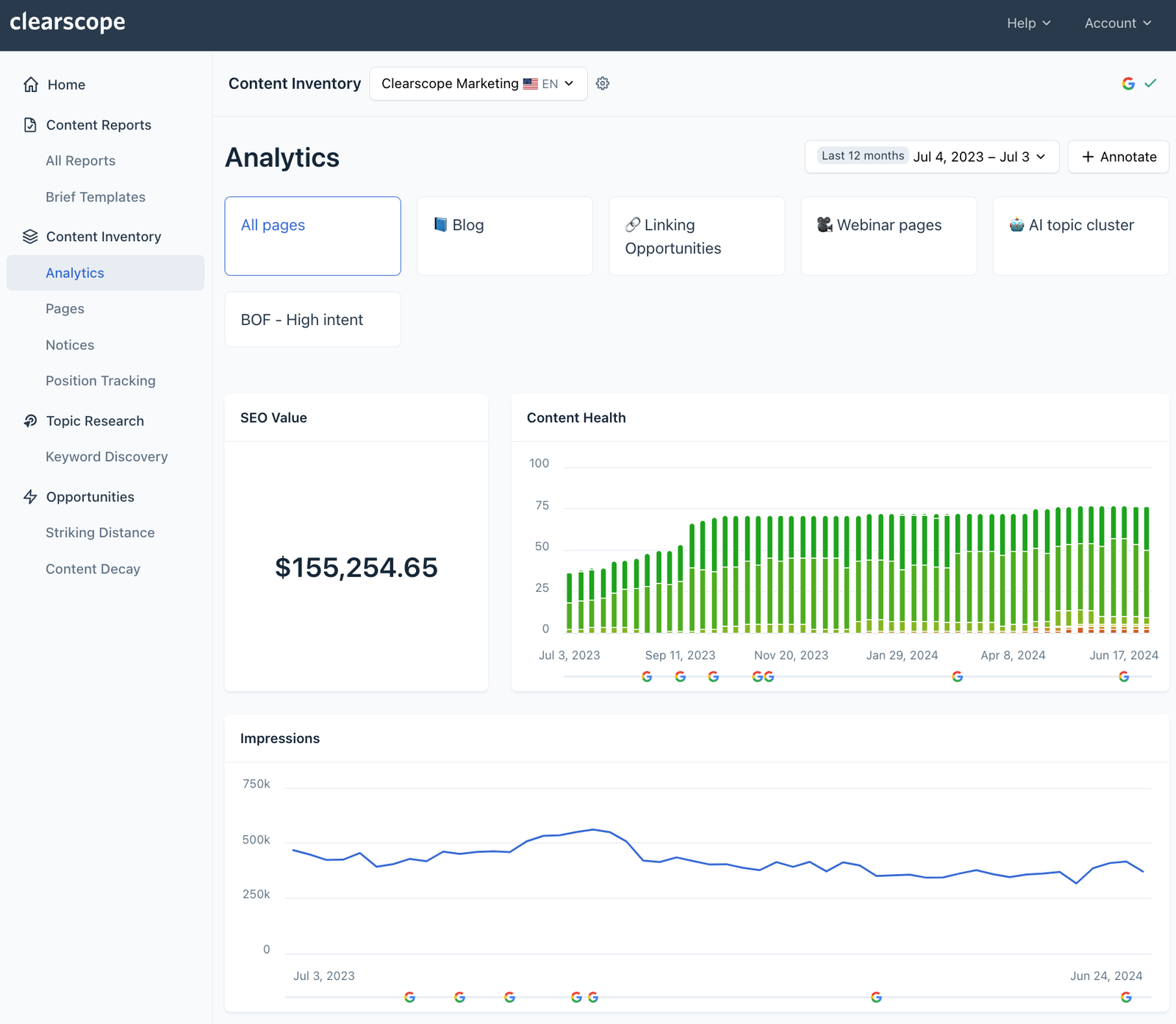
Measure Whether Original Content Creates Durable Value
Original work may take longer to produce, so measure more than first-week traffic.
Useful long-term metrics
- Links from relevant websites.
- Brand mentions.
- Newsletter growth.
- Return visitors.
- Search visibility over several months.
- Qualified leads or sales influenced by the asset.
- Requests to cite, interview, or collaborate.
A research piece that earns references for two years can be more valuable than ten short posts that peak for a week.
Protect Credibility
Original content can hurt trust if the method is weak or the results are exaggerated.
Avoid these mistakes
- Claiming causation from simple correlation.
- Using a tiny sample without disclosing it.
- Hiding unfavorable results.
- Cherry-picking examples.
- Publishing customer data without proper privacy controls.
- Inventing expert quotes.
- Presenting AI-generated estimates as measured facts.
Readers do not expect every study to be academic. They do expect honesty.
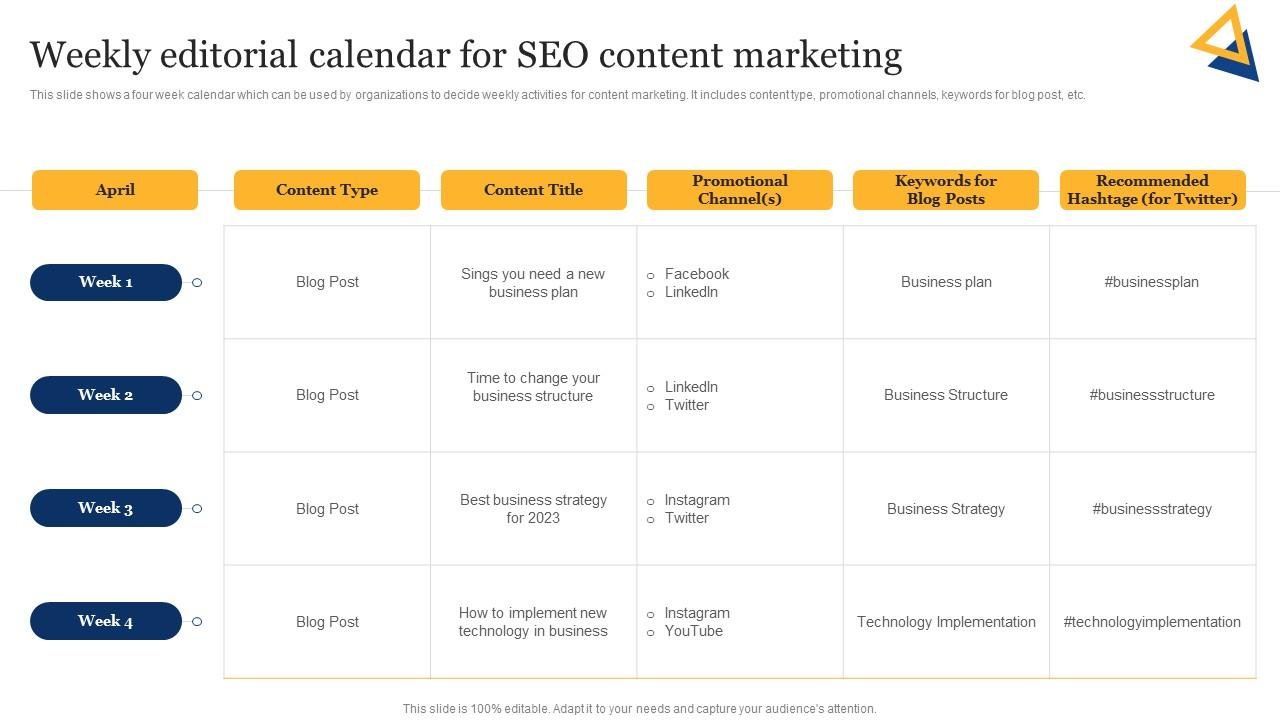
A 30-Day Original Content Plan
Week 1: find the question
Interview sales, support, and customers. Choose one repeated problem worth investigating.
Week 2: collect evidence
Run a small audit, gather survey responses, interview experts, or document a real process.
Week 3: create the asset
Write the article. Add charts, screenshots, examples, methodology, limitations, and practical recommendations.
Week 4: distribute and learn
Share the strongest findings across email, social, and relevant communities. Track questions and feedback that can improve the next edition.
Build an Evidence Package Readers Can Verify
Original content becomes much stronger when a reader can inspect how you reached a conclusion. Treat every major research-led article as a small evidence package, not just a polished narrative.
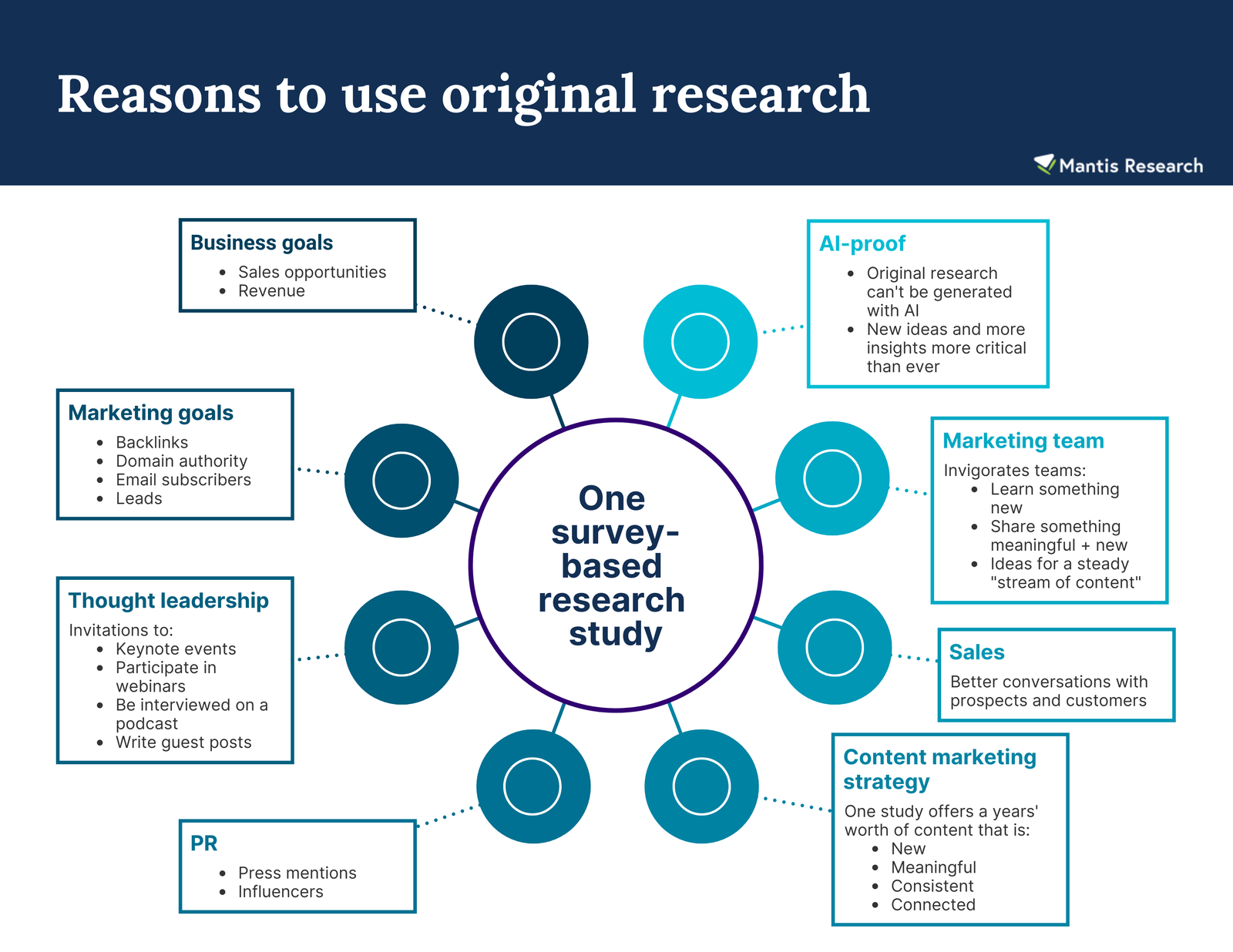
Show the method in plain English
Explain what you measured, the date range, sample size, tools used, exclusions, and known limits. A short methodology box often does more for trust than another paragraph of confident conclusions.

Keep a source file
Store the survey questions, audit checklist, anonymized calculations, interview notes, and source links in one internal folder. This makes future updates faster and helps another editor reproduce the logic instead of guessing what the original author did.
Turn evidence into multiple useful formats
A single study can support an article, one chart-led LinkedIn post, a short email, a downloadable checklist, and a webinar discussion. Each version should answer a different reader need rather than simply repeating the headline.
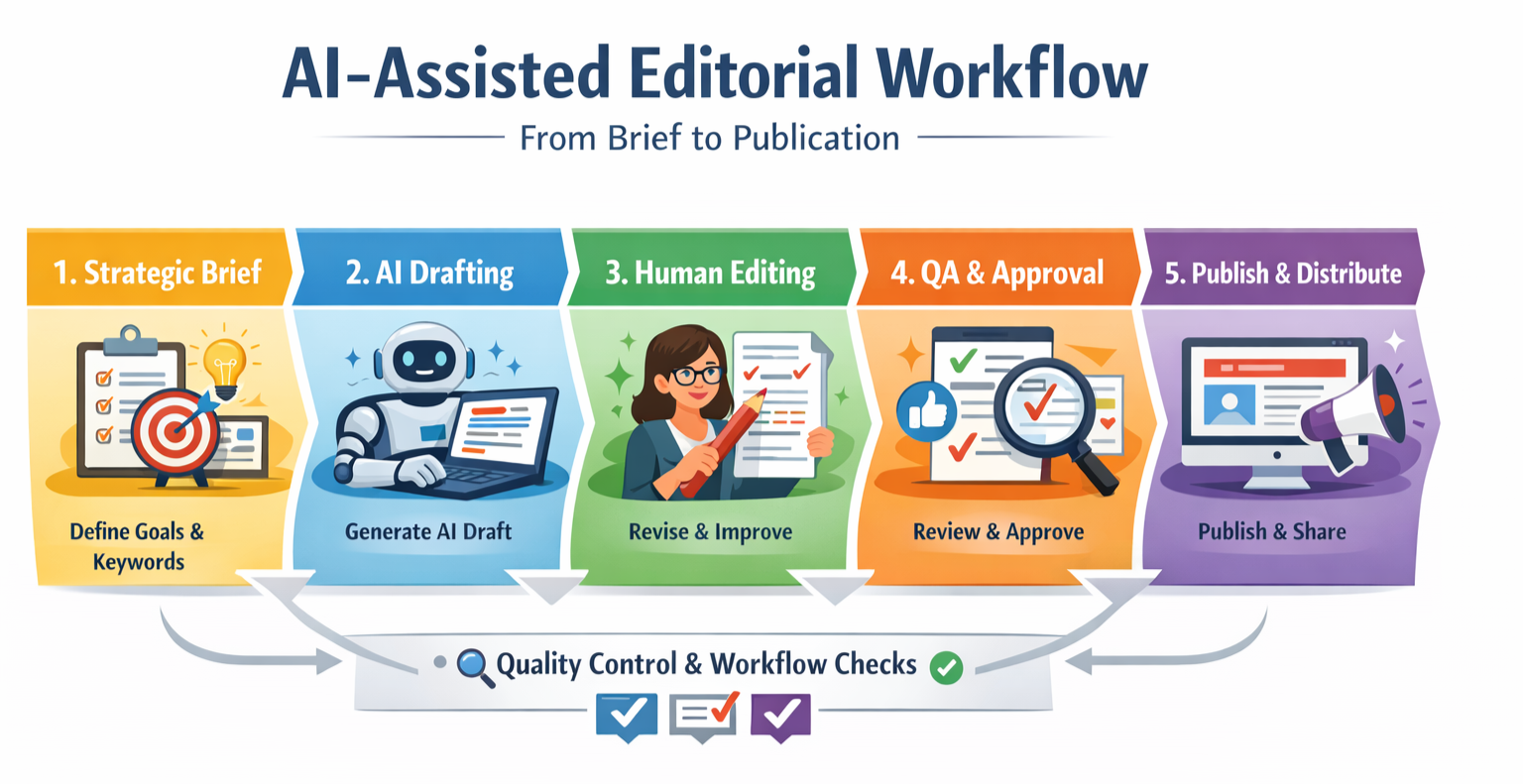
Use a simple publication rule
Before publishing, ask whether another person could understand the evidence, reproduce the basic method, and see where judgment was involved. If the answer is no, add the missing context. This rule keeps original content useful even when the findings are small or imperfect.
Finally, keep raw numbers separate from interpretation. A result such as “38 of 100 audited sites lacked a visible privacy link” is an observation. The reason those sites lacked the link is an interpretation that may require interviews or additional evidence. Keeping that distinction clear protects credibility.
Final Takeaway
In 2026, the competitive advantage in content is not the ability to produce more words. Almost everyone has access to tools that can do that.
The advantage is owning useful evidence, experience, and insight.
Document what your team learns. Ask experts better questions. Run small, transparent studies. Create first-hand tutorials. Publish useful visuals. Explain your methods. Give readers something they can use or reference.
When your content becomes a source instead of a summary, it becomes harder to replace, easier to trust, and more valuable across search, social, email, and AI-driven discovery.


One thought on “Original Content Strategy for 2026: How to Create Research, Expert, and Firsthand Content People Trust”