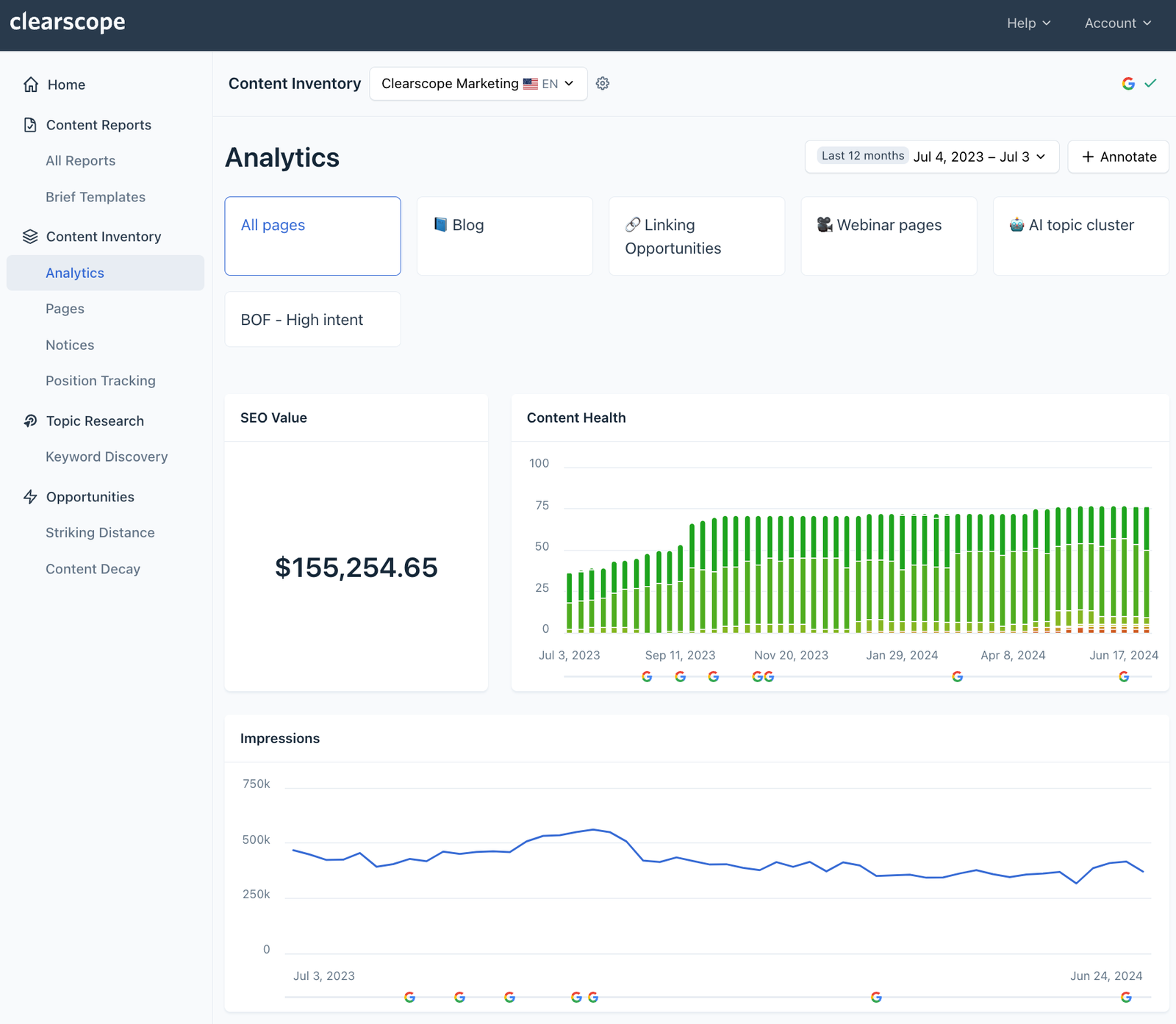
AI search has changed how people ask questions, but it has not made SEO obsolete. In 2026, the biggest mistake a site owner can make is to treat Google AI Mode and AI Overviews as a completely separate search system that needs tricks, special keywords, or a new type of content written only for machines.
Google Search Central says the opposite. Its 2026 guidance explains that traditional SEO best practices remain relevant because Google’s generative AI features still rely on the core Search index, ranking systems, retrieval, and quality signals. Google also warns against creating large numbers of pages only to target possible AI “fan-out” queries.
This guide turns that official guidance into a practical process. You will learn how to make a page easier to discover, understand, trust, and use in AI-powered search without chasing made-up ranking factors.
Start With the Right Mental Model
AI Mode is not a second internet. Google still needs to find, crawl, index, understand, and evaluate web pages before it can use them as supporting sources.
Google describes two important concepts in its AI search system: retrieval-augmented generation and query fan-out. Retrieval helps the system ground answers in relevant web pages. Query fan-out lets the system issue several related searches to understand a complex question from different angles.
What this means in practice
A page does not need to contain every possible wording of a question. It needs to be genuinely useful for the topic and clear enough for Search to understand its purpose.
For example, if your article is about choosing a heat pump for a small home, do not create fifteen near-duplicate pages such as “best heat pump for 1,000 square feet,” “best heat pump for small house,” and “best heat pump for compact home” just to cover query variations. Create one strong guide that explains sizing, climate, insulation, cost, efficiency, installation limits, and realistic examples.
AI Search Rewards the Same Thing Users Need: Clear Value
Google’s 2026 AI optimization guide puts strong emphasis on unique, non-commodity content. That phrase matters.
Commodity content simply restates information that already exists everywhere. It often looks polished but gives the reader no reason to choose your page.
Add information that comes from real work
Useful original value can include:
- First-hand tests and observations.
- Original photos, screenshots, or demonstrations.
- Real examples with numbers.
- Expert interviews.
- Customer questions and practical answers.
- Comparison criteria that explain trade-offs.
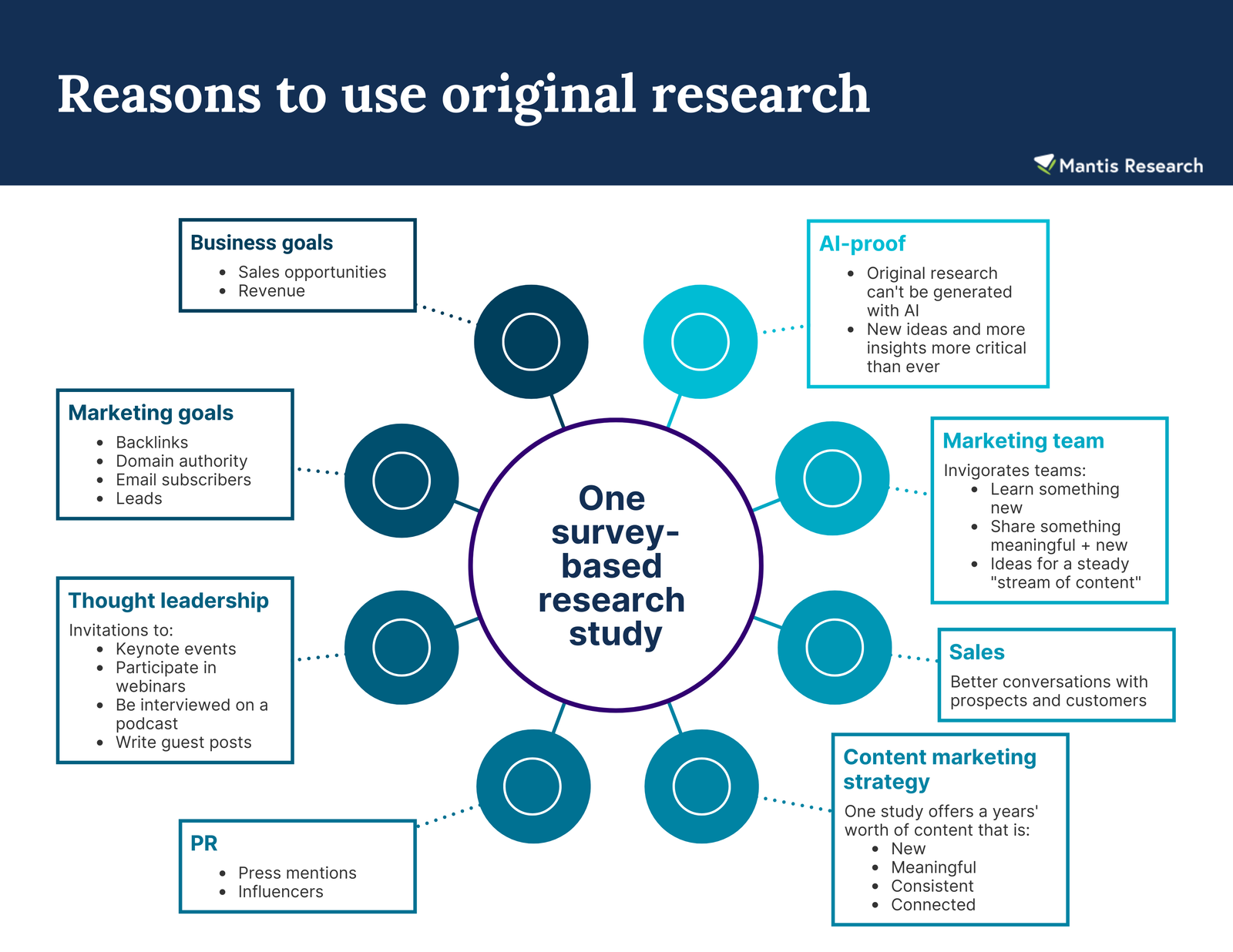
- Original data or surveys.
- Templates, checklists, calculators, or tools.
You do not need a large research budget. A small business can publish useful original insight simply by documenting what customers ask before buying, what mistakes occur during setup, or what choices lead to better outcomes.
Write for Complex Questions, Not Just Short Keywords
Google has reported that AI Mode searches are longer than traditional searches and often involve planning, comparison, and decision-making. That should influence how you structure content.
A traditional keyword may be “email marketing software.” A real AI-style question may be: “What email platform should a small online store use if it needs simple automation, good deliverability, and a low cost under 10,000 subscribers?”
Use a problem-solving content structure
A strong page could cover:
- Who the solution is for.
- The main decision criteria.
- Common trade-offs.
- Examples for different needs.
- Step-by-step setup or evaluation.
- What to avoid.
- When another solution is better.
This structure naturally answers related sub-questions without stuffing dozens of keyword variations into the text.
Make Every Page Easy to Understand
Good information can still underperform when the page is confusing.
Use descriptive headings
Headings should tell the reader what the section solves. “How to Choose a CRM for a Five-Person Sales Team” is more useful than “Important Considerations.”
Use short paragraphs
Dense walls of text are difficult for people to scan. Keep paragraphs focused on one idea. Use bullets when a list is genuinely easier to understand.
Define unfamiliar terms
If you must use an industry term, explain it in plain English the first time. Clear writing improves accessibility and reduces ambiguity.
Keep the important answer close to the question
Do not hide a useful answer after five paragraphs of background. Give the direct answer first, then explain the details and exceptions.
Technical SEO Still Forms the Foundation
AI search does not remove basic technical requirements. A page that Google cannot crawl or index cannot become a reliable source in Search.
Check indexability
Use Google Search Console to confirm that important pages are indexed. Review robots.txt rules, noindex tags, canonical tags, redirects, and accidental blocks after site migrations.
Keep internal links useful
Internal links help users discover related information and help Search understand how pages connect. Use descriptive anchor text instead of vague phrases such as “click here.”
Maintain a logical site structure
A digital marketing site might group content under SEO, paid advertising, content marketing, analytics, and social media. This is easier to navigate than hundreds of unrelated posts with no clear hierarchy.
Protect page experience
A useful article should load reliably, work on mobile, and avoid intrusive elements that block the main content. Performance should support the reader rather than become an isolated SEO score.
Use Images and Video as Information, Not Decoration
Google’s generative AI optimization guidance specifically encourages useful image and video content when it makes sense.
If you explain a software workflow, add a screenshot. If you compare products, show the key differences visually. If you explain a physical task, use original photos or a short demonstration.
Optimize visual assets
- Use descriptive filenames.
- Add accurate alt text.
- Compress large files.
- Use dimensions that suit the page.
- Place the visual near the related text.
- Add a caption when context is useful.
Do not add five generic stock images just to hit an image count. Each visual should teach, prove, or clarify something.
Build Entity Clarity Without Buzzwords
SEO discussions often use the word “entity” as if it were a secret AI ranking trick. The practical idea is simpler: make it clear who you are, what you do, and how important things on your site relate to each other.
For a business website
Keep your business name, contact information, service details, and profiles consistent. Maintain useful About and Contact pages. Link to genuine official profiles where relevant.
For authors
Use real author information for content where expertise matters. An author page can show background, relevant experience, and other published work.
For products and services
Use consistent names and descriptions. Explain who each product is for, its features, limitations, price context, and how it differs from alternatives.
Do Not Create “AI SEO” Pages at Scale
Query fan-out has encouraged a bad tactic: producing a page for every tiny sub-question that an AI system might generate.
Google explicitly warns against creating large volumes of pages primarily to manipulate rankings or generative AI responses. This can fall under scaled content abuse.
Use consolidation instead
If you have twelve weak posts that answer overlapping questions, combine them into one better resource when that serves users.
A strong guide can include a decision table, process, examples, FAQ section, mistakes, and supporting visuals. That is more useful than a cluster of thin pages that repeat the same introduction and advice.
Use Structured Data Where It Accurately Describes the Page
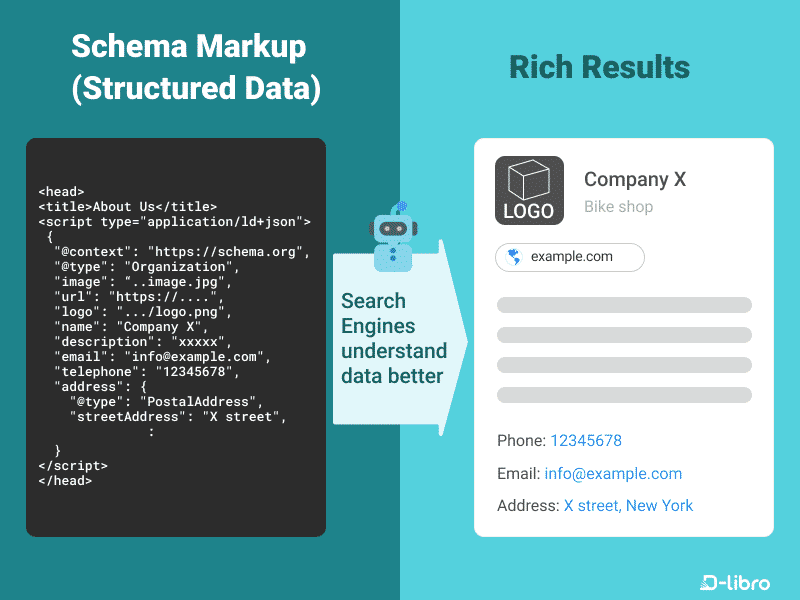
Structured data can help Search understand page content, but it is not a shortcut to AI visibility.
Use supported markup only when it matches visible content. Product markup should reflect the actual product details. Article markup should identify the real headline, date, image, and author. Organization data should be accurate.
Do not add irrelevant schema types because an SEO plugin offers them. More markup is not automatically better.
Strengthen Trust With Evidence
AI-assisted search may summarize options before a user visits your page. When that user clicks, the page must quickly justify why it deserves trust.
Show your sources
When you reference a rule, study, product feature, or public statistic, link to the original or authoritative source when possible.
Separate facts from opinion
If something is your recommendation, say so. If a statement comes from testing, explain how you tested it. If there are limitations, state them.
Update time-sensitive content
Software interfaces, pricing, regulations, and platform features change. Review those pages more often than evergreen content.
Optimize for Useful Clicks, Not Only Impressions
AI features can answer simple questions directly. That does not mean every click is lost. It means the pages that earn clicks need to offer more than a one-line fact.
Create reasons to visit:
- Original examples.
- Tools and templates.
- Interactive calculators.
- Detailed comparisons.
- First-hand testing.
- Visual explanations.
- Downloadable resources.
- Updated local or niche information.
A page that only defines a term is easier for an AI result to summarize completely.
Measure AI Search Visibility in Search Console
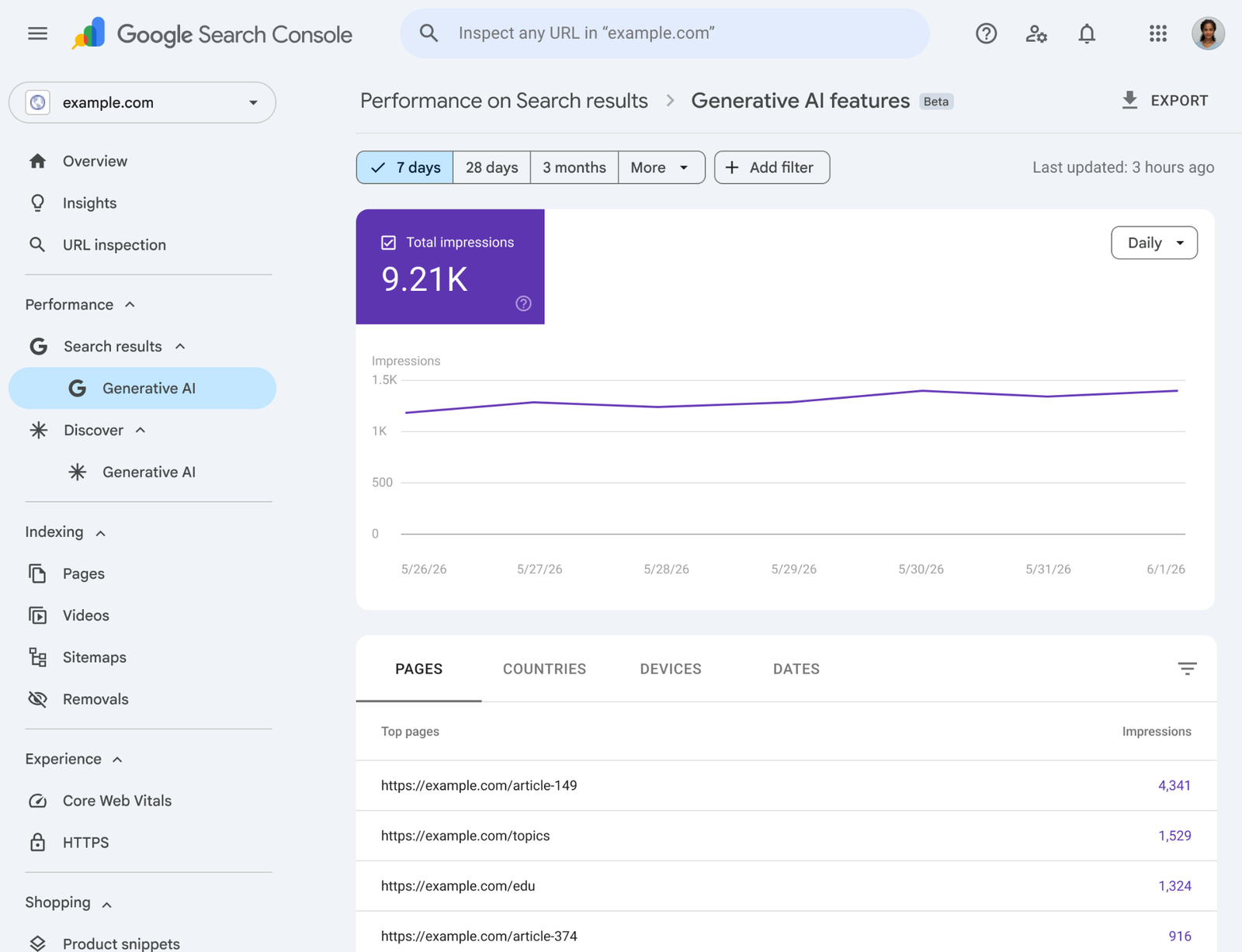
In June 2026, Google Search Central announced dedicated Generative AI performance reports in Search Console, and Google later said the insights rolled out to all websites worldwide by August 31, 2026.
These reports can show impressions, pages, countries, devices, and performance over time for appearances in generative AI Search features.
What to watch
Do not judge success from one day of data. Track trends by page and topic. Look for pages gaining AI visibility, then inspect what makes them useful. Compare that with pages that receive traditional Search impressions but little AI exposure.
Use this information to improve content quality and coverage, not to manufacture pages just for the report.
A Practical AI Search SEO Workflow
Step 1: choose one real user problem
Start with a question that matters to your audience and connects to your site’s purpose.
Step 2: review the existing search landscape
Look at what current pages answer well and where they are weak. Identify missing examples, outdated advice, or unclear explanations.
Step 3: add original value
Include experience, data, screenshots, expert insight, a useful tool, or a clearer decision framework.
Step 4: build a clean structure
Use a descriptive title, logical headings, short paragraphs, and internal links to genuinely related pages.
Step 5: check technical basics
Confirm the page can be indexed, loads correctly on mobile, uses the intended canonical URL, and does not rely on broken scripts to display the main content.
Step 6: publish and measure
Use Search Console to monitor standard Search and generative AI visibility. Review what users do after clicking, not only whether an impression occurred.
Step 7: improve the page
Add missing information when real user questions appear. Update facts when the topic changes. Remove sections that no longer help.
Common AI SEO Myths to Avoid
- “SEO is dead.” Google says core SEO remains foundational to generative AI Search.
- “You need a separate GEO page for every prompt.” Scaled near-duplicate content can create quality and spam problems.
- “AI only cites pages with special schema.” Structured data can aid understanding, but it is not a magic citation switch.
- “Longer content always wins.” Length is useful only when the added material solves more of the user’s problem.
- “AI-generated content is automatically bad.” The key issue is usefulness, accuracy, originality, and compliance with Search policies.
- “Keywords no longer matter.” Clear topic language still helps users and search systems understand a page; keyword stuffing does not.
Final Takeaway
SEO for Google AI Mode and AI Overviews in 2026 is not a new game that replaces everything you learned about search. It raises the standard for usefulness.
Make your pages crawlable. Answer real problems clearly. Add information people cannot get from a generic summary. Use original visuals and evidence. Build trust. Keep important facts current. Measure how your pages appear in both traditional and generative Search.
If you focus on satisfying the user instead of trying to reverse-engineer every AI prompt, your SEO strategy will be more durable across both classic search results and the new AI experiences built on top of them.
Visual SEO Implementation Checklist
1. Read AI-search visibility as evidence, not a ranking score
2. Use structured data only when it matches visible information
3. Build original value that is difficult to copy
4. Review performance at page level