Instagram Reels is no longer just an entertainment format. In 2026, short-form video sits much closer to the buying journey.
Meta reported in June 2026 that Reels plays a major role across discovery, consideration, and purchase influence in India. Its research also showed strong daily use across Gen Z, women, and both urban and rural audiences. Separate Meta commerce research described a shift from a simple search-and-buy journey toward a flow that can start with a scroll, move through a creator or message, and end in a transaction.
That does not mean every business should copy viral dances or post several videos a day. A useful Reels strategy begins with customer problems, a clear brand position, and a path from attention to action.
This guide shows how to build that system.
Decide What Reels Should Do for Your Business
A Reel can attract attention, teach, build trust, demonstrate a product, answer an objection, or push a viewer toward a next step. It should not try to do all of these at once.
Choose one primary job
Common goals include:
- Reach new people.
- Explain a problem.
- Show a product in use.
- Build trust with expertise.
- Drive profile visits.
- Start conversations.
- Support a product launch.
- Generate qualified website traffic.
Once you choose the job, the hook, format, call to action, and measurement become easier.
Build Reels Around Real Customer Questions
The fastest way to create useful short-form content is to stop guessing what people want.
Collect questions from comments, DMs, reviews, support tickets, sales calls, product pages, and site search.
Turn one question into one Reel
For example, a fitness coach may hear, “Should I do cardio before or after weights?” Instead of creating a broad video called “Gym Tips,” the coach can answer that exact question in 25 seconds, explain the main trade-off, and point viewers to a longer guide.
A software company may hear, “Do I need a CRM if I only have three salespeople?” That becomes a clear decision-focused Reel.
Specific questions make stronger hooks because the viewer immediately knows whether the video is relevant.
Use the First Seconds to Set Context
A hook does not need to be dramatic. It needs to be clear.
Useful hook types
- “If your landing page gets clicks but no leads, check this first.”
- “Three signs your email list is growing but not helping sales.”
- “Before you buy a standing desk, measure this.”
- “This is when a cheaper plan is actually the better choice.”
These hooks work because they identify a problem, audience, or decision.
Avoid misleading openings that promise something the video never delivers. Short-term watch time is not worth damaging trust.
Teach One Useful Thing Per Reel
Short-form video becomes weak when it tries to compress an entire guide into thirty seconds.
Choose one idea and explain it well.
Example structure
- Problem: “Your homepage headline describes your company, not the customer problem.”
- Explanation: Show the weak version.
- Fix: Rewrite it around the outcome the customer wants.
- Example: Show a stronger version.
- Next step: Invite the viewer to save the Reel or read a longer guide.
This format gives the viewer a complete micro-result.
Show, Do Not Only Tell
Video is most useful when movement adds information.
If you explain a design change, show the screen. If you sell a physical product, demonstrate the product. If you teach a process, show the steps. If you compare options, place them side by side.
Use visual proof
A restaurant can show portion size. A travel brand can show the actual walk from a hotel to a landmark. A marketer can record a screen while changing a campaign setting. A home-improvement company can show the before-and-after result of a repair.
These visuals build credibility because viewers can see the claim in context.
Create a Content-to-Commerce Path
Meta’s 2026 research emphasizes the role of Reels across discovery and purchase decisions. To benefit from that behavior, businesses need a clear route from content to action.
Match the next step to intent
A cold viewer watching an educational Reel may not be ready to buy. The next step might be another helpful post, a profile visit, or a free guide.
A viewer watching a product demonstration or comparison may be closer to purchase. The next step could be a product page, pricing page, DM, or checkout.
Do not use “link in bio” as the same call to action for every video. Choose the next step based on what the viewer just learned.
Use Creators for Context, Not Just Reach
Creator partnerships can work because a creator can put a product into a real situation and explain it in language the audience already understands.
Choose creators by audience fit
A creator with 20,000 relevant followers can be more valuable than one with 500,000 people who do not care about your category.
Look at:
- Audience relevance.
- Comment quality.
- Content consistency.
- Trust and credibility.
- Ability to explain products naturally.
- Past sponsored-content quality.
Give creators useful freedom
Provide accurate product facts, required disclosures, and the campaign goal. Avoid scripting every sentence. The creator’s natural communication style is part of the value.
Build Three Reels Content Pillars
A small business does not need twenty themes. Three strong pillars are easier to sustain.
Pillar 1: problems and education
Answer questions, explain mistakes, and teach useful processes.
Pillar 2: proof and demonstration
Show products, workflows, results, case studies, behind-the-scenes work, and realistic examples.
Pillar 3: perspective and brand
Share informed opinions, explain how you make decisions, respond to industry changes, and show the people behind the business.
These pillars balance usefulness, trust, and personality.
Use Trends Selectively
Trending audio and formats can increase relevance, but they should not control your content strategy.
Ask two questions before joining a trend:
- Can we connect this naturally to a customer problem or brand idea?
- Will the video still make sense to someone who sees it after the trend fades?
If the answer to both is no, skip it.
Design for Sound-On and Sound-Off Viewing
People watch in different environments. Make the message understandable with captions, on-screen text, and clear visuals.
Keep text readable
Use short lines and enough contrast. Do not cover the screen with paragraphs.
Use captions for clarity
Captions improve accessibility and help viewers follow a fast explanation.
Keep important text away from interface areas
Buttons, captions, and profile elements can cover text placed too close to the edges.
Improve Retention Without Manipulation
Retention matters because a video that loses viewers in the first few seconds has less chance to deliver its value.
Remove slow openings
Skip long logos, greetings, and background context. Start with the problem.
Change the visual when the idea changes
A screen recording, cut, zoom, product angle, or text change can help the viewer follow the structure.
Use open loops honestly
You can say “the third mistake is the one most teams miss” only if the third point genuinely deserves attention. Do not manufacture suspense around weak information.
Connect Reels With Search Behavior
People increasingly search inside social platforms as well as on Google and AI tools. Make your topic clear in spoken words, captions, and on-screen text.
If the Reel is about “how to choose a CRM for a small business,” say that naturally. Do not hide the topic behind a vague caption designed only for engagement.
Use descriptive captions
A useful caption can summarize the key point, add one extra detail, and include a clear next step.
Hashtags can help categorize content, but they do not rescue an unclear video.
Create a Simple Production System
Consistency becomes easier when you batch the repetitive work.
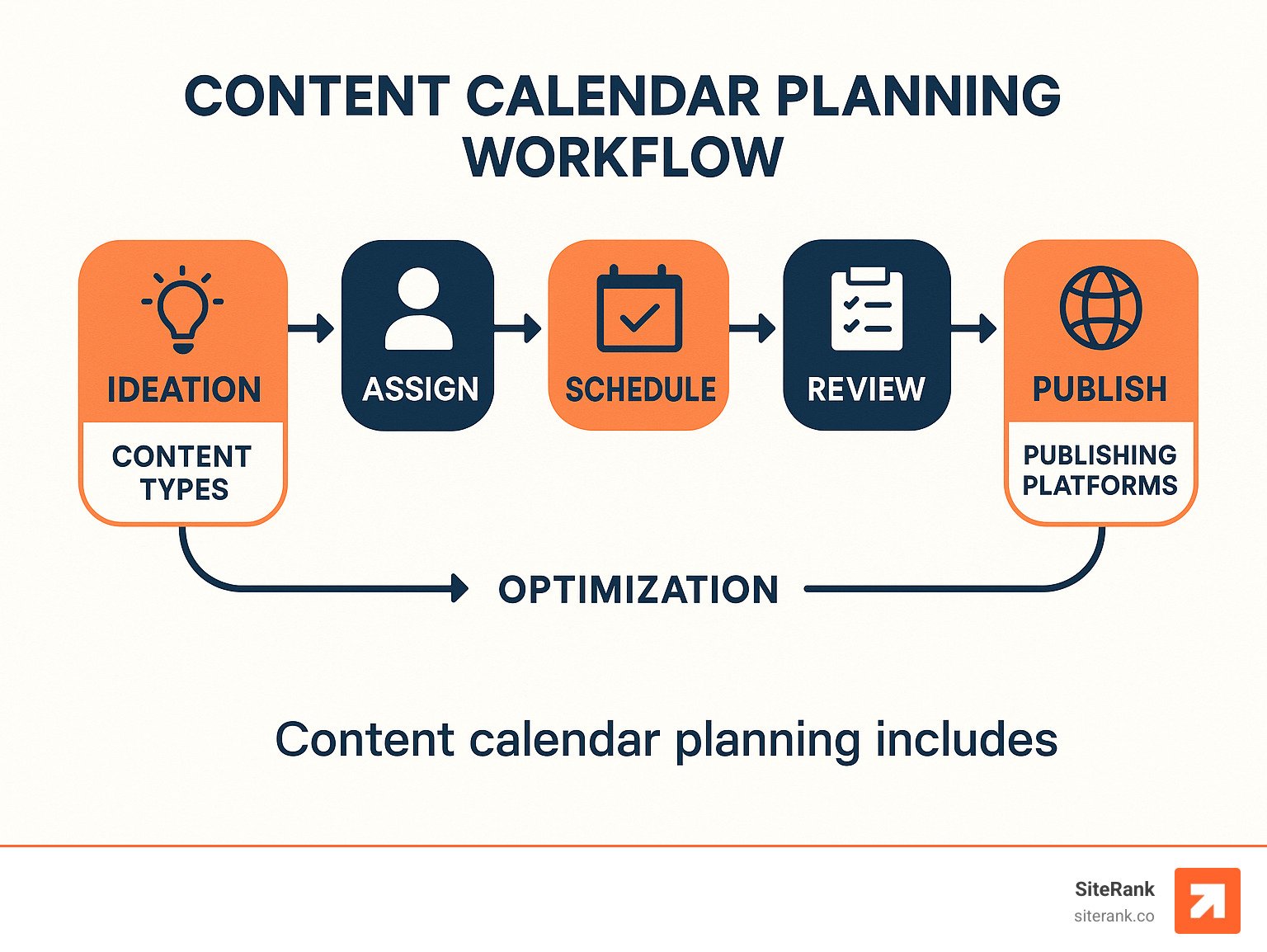
Step 1: collect ten questions
Build a list from real customer conversations.
Step 2: write short outlines
Use a problem, answer, example, and next step.
Step 3: record in batches
Film several videos in one session when the setting is the same.
Step 4: edit for clarity
Remove pauses, add captions, check text placement, and keep the pace natural.
Step 5: schedule and review
Publish at a realistic frequency and compare results by content pillar.
Measure More Than Views
A million views can be useful or meaningless depending on the business goal.
For discovery
Track reach, non-follower views, profile visits, and shares.
For education
Track saves, completion, repeat views, meaningful comments, and related profile activity.
For business outcomes
Track qualified DMs, website visits, product-page visits, lead submissions, purchases, and assisted conversions.
Use campaign links and analytics where appropriate. Do not assume every sale came from the final click.
Review Reels by Pattern, Not One Viral Post
One video can perform unusually well because of timing, topic, or distribution. Build decisions from several posts.
Run a monthly review
Compare:
- Which hooks keep viewers longest.
- Which topics earn saves.
- Which formats drive profile visits.
- Which creators produce qualified engagement.
- Which calls to action lead to real next steps.
Then create more of the useful pattern without copying the same video.
A 30-Day Instagram Reels Plan
Week 1: research
Collect twenty customer questions and choose three content pillars.
Week 2: create
Record six to eight Reels. Include education, demonstration, and perspective.
Week 3: connect
Improve profile links, product pages, landing pages, or messaging flows so viewers have a clear next step.
Week 4: analyze
Review retention, saves, profile visits, qualified actions, and comments. Turn the best audience questions into next month’s content.
Build a Reels Testing Dashboard
A practical Reels strategy improves faster when every video is treated as a small test. Record the hook, topic, length, format, call to action, audience, and business goal before publishing. Then review results after a consistent period rather than changing the strategy after one weak post.

Separate attention from intent
A comedy-led Reel may earn high reach while a product demonstration earns fewer views but more website visits or DMs. Both can be useful, but they serve different jobs. Label each Reel by intent before comparing performance.

Track production efficiency
Record how long each format takes to script, film, edit, approve, and publish. If a format takes four hours but creates no better outcome than a simpler format, simplify it. This protects consistency and keeps the content plan realistic for a small team.
Connect social metrics with website data
Use campaign links when appropriate and compare social activity with landing-page sessions, product views, lead quality, and assisted conversions. Do not expect every Reel to create a last-click sale. Discovery content may influence branded search or a later direct visit.

Use a monthly decision rule
At the end of each month, keep one format, improve one format, and stop one format. Keep the format that repeatedly produces useful outcomes. Improve the one with promising signals but a clear weakness. Stop the format that consumes time without helping the audience or the business. This simple rule prevents endless experimentation without learning.
Also read comments and DMs as qualitative data. A video with moderate reach but several detailed buyer questions may be more valuable than a viral clip with generic reactions. Those questions can become the next month’s strongest content ideas.
Common Reels Mistakes
- Chasing every trend.
- Using hooks that do not match the video.
- Trying to teach too much in one Reel.
- Posting product ads with no useful context.
- Measuring success only by views.
- Using creators based only on follower count.
- Sending every viewer to the same generic homepage.
Final Takeaway
An effective Instagram Reels strategy in 2026 is not a race to publish the most videos. It is a system that turns customer questions into clear, useful short-form content.
Use Reels to create discovery, demonstrate value, build trust, and help viewers take the next logical step. Show real products and real processes. Work with creators who fit the audience. Measure qualified action, not only attention.
Short-form video is strongest when it feels useful before it feels promotional. Build around that principle and Reels can become a meaningful part of the customer journey instead of another content treadmill.